
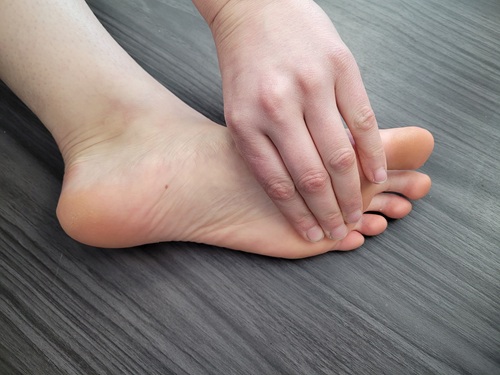
Why Is There a Callus on the Ball of My Foot?
If you’ve noticed a thickened patch of skin forming on the ball of your foot, you’re not alone. Calluses are one of the body’s natural defense mechanisms, but they’re also a sign that something isn’t quite right with how your foot is distributing pressure.
In this post, we’ll break down why calluses develop on the ball of the foot, including key causes like a collapsed metatarsal arch, improper footwear, and other biomechanical factors.
What Is a Callus, and Why Does It Form?
A callus is an area of thickened skin that develops in response to repeated pressure or friction. On the ball of the foot, this typically means that a specific area is causing more load than it should during standing, walking, or running.
Over time, your body builds up extra skin in that spot to protect the body. While that’s helpful in the short term, it often points to a mechanical stress that needs attention and it can eventually lead to pain.
-
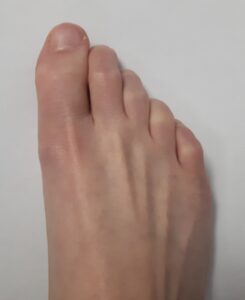 Collapsed Metatarsal Arch
One of the most common reasons for calluses on the ball of the foot is a collapsed metatarsal arch.
Your forefoot (the front part of your foot) has a small arch that helps distribute pressure evenly across the bones. When this arch drops or collapses:
- Excess weight shifts onto the ball of the foot (metatarsal heads)
- Pressure becomes concentrated in this area
- Friction increases under the ball of the foot
This leads directly to callus formation because of the increased pressure in the area.
This collapse can happen due to:
- Weakening muscles and/or ligaments
- Flat feet or overpronation
- Long-term stress on the forefoot
Metatarsalgia or Morton’s neuroma are common diagnoses due to a collapsed arch. The callus formation doesn’t cause these diagnoses, but the calluses are a good indication that this pressure could lead to these diagnoses.
-
Improper Footwear
Your shoes play a huge role in whether calluses develop.
High Heels
Wearing high heels shift much more weight onto the ball of your foot. This overload can:
- Flatten the metatarsal arch
- Increase friction
- Cause chronic callus formation
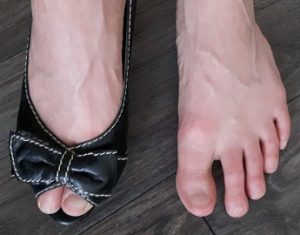
Tight or Narrow Shoes
Shoes with a narrow toe box:
- Compress the forefoot
- Restrict movement at the forefoot
- Force pressure into smaller areas at the ball of the foot
With the increased pressure at the sides of the feet, calluses can also develop here.
Lack of Support or Cushioning
Flat, unsupportive, or worn-out shoes:
- Fail to absorb shock
- Transfer impact directly to the forefoot
- Increase pressure at the ball of the foot when this area wears down compared to the rest of the shoe
Even shoes that are too big or too wide can cause issues. This is because the foot will move more inside the shoes, which creates extra shear to the ball of the feet. It is also an issue because your toes may start to grip in an attempt to stop the feet from sliding. This causes extra stress to the toes and the ball of the foot.
-
Abnormal Foot Mechanics (How You Walk)
The way your foot moves (your biomechanics) has a direct impact on where calluses form.
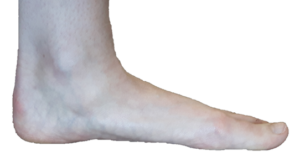
Flat feet / Overpronation
When your foot rolls inward excessively:
- The arch collapses
- Weight distribution becomes uneven
- Pressure shifts to the inside of the ball of the foot
Rolling inwards causes the ball of the foot to shift and shear, leading to excessive pressure and calluses. With overpronation, the calluses are typically closer to the inside of the ball of the foot.
High Arches
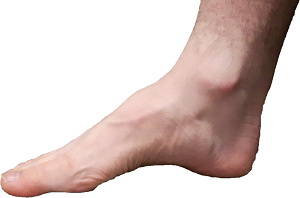
High arches can also cause calluses:
- Reduced shock absorption
- Increased pressure at the ball of the foot
The high arch causes concentrated pressure at the heel and the ball of the foot, causing the metatarsal arch to collapse and calluses to form.
-
Repetitive Stress and Activity
Certain activities naturally increase pressure on the forefoot:
- Running or jumping sports
- Long hours standing (teachers, trades, retail, etc.)
- Walking or standing on hard surfaces
With repetitive stress, the body will recognize that the area needs extra protection. Callus formation is a way to protect the area.
-
Structural Foot Issues
There are conditions that can increase pressure to the ball of the foot:
- Toe deformities (e.g., hammertoes, clawed toes, hallux valgus)
- Longer second toe (which is a short first metatarsal)
- Fat pad atrophy
These conditions increase the pressure at the ball of the feet, and makes calluses more common.
What Your Callus Is Telling You
A callus on the ball of your foot is more than just a skin issue, it’s a sign there is increased pressure.
It usually means:
- Pressure is not being distributed evenly
- Your foot mechanics may be off
- Your footwear may not be supporting you properly
Ignoring it can lead to worsening pain, inflammation, or more serious conditions over time.
What Can Help?
Addressing the root cause will help lessen the impact. Depending on the issue, solutions may include:
- Supportive footwear with proper cushioning
- Custom foot orthotics
- Metatarsal pads
- Reducing high-impact activities temporarily
- Strengthening foot muscles
In many cases, custom orthotics are used to redistribute pressure and support the metatarsal arch, helping prevent the callus from returning. The proper footwear is typically the next best solution after custom orthotics.
Conclusion
A callus on the ball of your foot isn’t random, it’s your body adapting to excess pressure, friction, or imbalance.
The most common culprits include:
- A collapsed metatarsal arch
- Improper footwear
- Poor foot mechanics or alignment
Treating the skin alone won’t solve the problem long-term. The real solution lies in correcting the underlying cause of the pressure.
If your callus is painful, persistent, or getting worse, it’s worth having your foot mechanics assessed. Small changes can make a big difference in how your feet feel every day.
To have your feet assessed, feel free to book an appointment with a Pedorthist! To have your calluses removed, one of our footcare nurses can help.
You must be logged in to post a comment.