

The Best Shoes for Morton’s Neuroma
If you’ve ever felt a sharp, burning pain between your toes or in the ball of your foot, you know how debilitating Morton’s neuroma can be. This condition is caused by irritation or thickening of the nerve between the toes. It can make every step feel like you’re walking on a pebble. While medical treatments like orthotics, injections, or physical therapy can help, choosing the right shoes can make a big difference.
This guide will help you understand which shoe features make a difference, and how to choose styles that keep your feet comfortable.
 Understanding Morton’s Neuroma and Why Shoes Matter
Morton’s neuroma usually develops between the third and fourth toes, where nerve irritation is most common. Pain often worsens with tight, narrow shoes that compress the forefoot. That’s why footwear plays a central role in managing symptoms.
The best shoes for Morton’s neuroma should:
- Reduce pressure on the forefoot
- Provide adequate support
- Prevent pinching or squeezing of the toes
- Encourage a natural, cushioned gait
Let’s break down the features that make a difference.
1. A Wide Toe Box: Give Your Toes Room to Breathe
 One of the first things to look for is a wide toe box. Shoes with a narrow front can compress your toes and worsen pain by increasing pressure on the nerve.
A good toe box:
- Allows your toes to spread naturally
- Reduces friction between toes
- Minimizes forefoot compression
When trying on shoes, make sure you can wiggle your toes freely with no pinching across the ball of the foot. A roomy front prevents irritation and often makes a noticeable difference in comfort.
2. Rocker Sole: Smooth Out the Stride
A rocker sole is a curved sole that helps your foot roll through each step more smoothly. Instead of bending at the ball of the foot, (where Morton’s neuroma pain is often worst) the rocker sole guides your foot forward.
Benefits of a rocker sole include:
- Reduced pressure on the neuroma site
- Less strain during push-off
- Better shock distribution
Rocker soles are particularly useful if you walk or stand for long periods, as they ease forefoot loading with every step.
3. Firm Midsole and Arch Support
Supportive midsoles help stabilize your foot and distribute weight more evenly. For additional support, find shoes that accommodate custom foot orthotics. Wearing this kind of support reduces excess motion and helps keep pressure off the painful area.
Key supportive features:
- Medium to firm midsole foam
- Stable heel counter (the back of the shoe)
- Removable insole (for custom foot orthotics)
While soft cushioning feels nice initially, too much softness without support can allow your foot to collapse inward, increasing pressure on the forefoot.
4. Cushioning Without Compression
Padding under the ball of the foot helps absorb shock, but remember: cushioning should not come at the cost of width. Look for models that offer:
- Cushioned insoles or removable inserts
- Gel or foam padding under the forefoot
- A combination of support and softness
For additional benefits, the factory insoles can be replaced with custom orthotics to offload pressure from the neuroma.
5. Low or Moderate Heel Height
High heels are known to exacerbate forefoot pain. They shift your body weight forward, compressing the ball of the foot and aggravating the nerve.
For Morton’s neuroma:
- Choose heels no higher than 1–2 inches
- Preferably opt for a flat or low-heeled design
- Look for shoes with a slight bevel or rocker to compensate for gait dynamics
Flatter shoes with supportive features help maintain a more natural posture and reduce forefoot strain.
6. Proper Fit: Measure and Test
Feet change over time. You might be surprised to learn many people wear shoes that are too tight or too small. When shopping:
- Measure both feet as one foot can be larger than the other
- Choose shoes that are available in multiple width options to accommodate the true shape of your feet
- Shop later in the day when feet are slightly expanded
- Wear the socks you intend to use with the shoes
- Stand and walk around the store or at home before committing
Never assume a size just because it’s what you usually wear.
7. Shoe Styles That Work Well
There’s no one-size-fits-all, but certain shoe families are typically more Morton’s-friendly:
Athletic Shoes
Running, walking, or stability shoes often offer excellent support, cushioning, and room in the forefoot. Look for models with a wide fit option.
Therapeutic / Diabetic Shoes
These are designed to reduce pressure points and typically have a wide toe box, soft interiors, and removable insoles for orthotics.
Casual Footwear with Rocker Soles
Some everyday styles incorporate supportive, curved soles that gently guide your step and reduce forefoot load.
Sandals with Adjustable Straps
If you need a wide, customizable fit, sandals with straps that adjust across the forefoot and around the ankle can offer relief.
 8. Extra Tips to Manage Pain
In addition to the right shoes, you might consider:
- Metatarsal pads: These can help redistribute pressure away from the nerve.
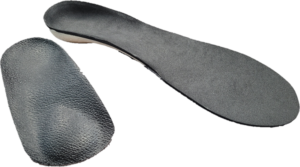
- Custom orthotics: Made by a Canadian Certified Pedorthist to offload and support your foot shape.
- Stretching and strengthening: Exercises for the foot and calf can improve mechanics.
- Avoiding barefoot on hard surfaces: Bare feet can increase pressure spikes.
Conclusion
Choosing the right shoes is an effective non-invasive way to manage Morton’s neuroma. Focus on wide toe boxes, rocker soles, supportive midsoles, and proper fit.
Remember: Every foot is unique. What works for one person might not work for another, so try different styles and trust how your feet feel.
To find the right shoe for you, feel free to book an appointment with us!
You must be logged in to post a comment.